Every parent has that moment they never forget. For me, it was my kid transforming blue at the dinner table after packing half a grape into his mouth. I had actually educated first aid and CPR courses for several years, yet in that flash my brain went as blank as his plate. Training begun about 3 seconds later on, which felt like an hour. A few firm back impacts, a horrible cough, and the grape shot across the space. He screamed. I sobbed. We both recovered.
That event changed exactly how I think of first aid training for moms and dads. It made one thing extremely clear: you do not require a full weekend course and a thick manual to learn just how to conserve a kid's life. You require focused skills, exercised correctly, provided in a way that fits a schedule already extended to damaging point.
This overview is created from that standpoint: professional first aid trainer, yet also a parent that has done institution drop-offs operating on 4 hours of sleep. The goal is straightforward, functional, fast first aid and CPR training that really works for busy parents.
Why fast training matters more for parents than for anybody else
Parents do not lack inspiration. If anything, they lug extra worry and obligation than most students I see in first aid and CPR training classes. What they do not have is time and mental bandwidth.
Between job, child care, homework, washing, and the minor logistics of keeping every person slightly fed, a standard all-day first aid course can feel difficult. Numerous moms and dads hold-up, implying years pass without formal first aid training, or the last first aid certificate ended a long time ago.
Yet emergency situations do not await a cost-free weekend break. The majority of home occurrences entailing kids happen in familiar places and common moments: bathroom time, mealtime, playgrounds, parking lot, sporting activities sidelines. In most of those scenarios, a parent is the first and only responder for the very first couple of minutes.
When you comprehend that most life saving activities in the first mins are straightforward and physical rather than facility and diagnostic, the situation for fast first aid courses ends up being really strong. You do not need ten hours of lectures to learn exactly how to:
- recognise that a child is not breathing call for help clearly start chest compressions with good technique clear a choking airway
Those are motor abilities and pattern recognition abilities. They are discovered ideal through focused method, not through long concept sessions.
What "fast" first aid training in fact looks like
Fast first aid training does not suggest hurried or careless. Excellent express first aid courses are built around a clear compromise. They strip away non essential material to ensure that the moment you invest goes nearly totally right into high impact skills.
From the instructor side, here is what I try to find when I assess or develop a fast first aid course or express CPR training session for moms and dads:
First, the moment structure is brief and predictable. Usual layouts are 90 minutes, 2 hours, or 3 hours. That is long sufficient to move beyond a fast demo, yet short enough to fit a night, a weekend nap home window, or a sports practice.
Second, the material is ruthlessly focused. A fast first aid course for parents need to not invest half an hour on unusual office chemical cases. It should focus on the high likelihood, high effect occasions you in fact encounter in the house or around children.
Third, concept is provided in tiny, functional portions. A great instructor describes what you need to understand, links it to the activity, after that moves you onto the flooring or the manikin for practice. You ought to not be sitting and listening for lengthy stretches.
Fourth, method is sensible. For CPR courses targeted at moms and dads, that means child and baby manikins, not only grown-up variations. For express child care first aid training, that means sensible choking drills, healing placement practice, and situation based inquiries concerning high temperature, seizures, and falls.
Fifth, assessment is flexible. Some fast first aid courses are geared to full certification and might include a brief useful evaluation or online concept test. Others are non recognized, focused on self-confidence instead of formal proof. Both can be beneficial, depending upon your needs.
The necessary skills a hectic moms and dad actually needs
I have actually shown long and short first aid courses for more than a decade. When parents ask what really matters, I constantly return to a short list. If a fast first aid course near you covers these areas with hands on method, it deserves your time.
CPR for infants, children, and adultsMost parents sign up for CPR training as a result of cardiac arrest and drowning concerns. The good news is that when you understand the core sequence, you can adapt it to different ages with a few crucial adjustments in strategy and force.
A strong first aid and CPR course need to cover just how to examine responsiveness without drinking an infant, exactly how to open the airway, the length of time to look for breathing, and when to start compressions. You must leave recognizing exactly how to position your hands (or fingers) for an infant, where to press on a kid's chest, and exactly how deep to press each age group.
Practice here matters more than words. Excellent fast CPR courses or fast CPR correspondence course will offer you several rounds on manikins, not a solitary respectful turn. You want your muscle mass to keep in mind what your mind might struggle with under stress.
Choking administration, particularly for toddlersAsk any type of seasoned childcare employee what frightens them most, and numerous will say choking. It takes place promptly, it is loud after that unexpectedly peaceful, and it typically occurs during a perfectly normal dish or snack.
An express child care first aid course must stroll you with the signs of mild versus severe airway obstruction, especially in youngsters that can not articulate their distress. You should have the ability to show safe however firm back blows for infants, the proper technique for stomach embed older kids and grownups, and how to move from one to the other if the item does not clear.
Fast first aid courses succeed here, since you do not need an hour of theory. You need a clear mental image of what to try to find, and then good repeating on dummies to make sure that your hands move with self-confidence if your kid unexpectedly can not breathe.
Unconscious however breathing and the healing positionNot every emergency calls for CPR. Parents frequently come across scenarios where a child is unconscious or less competent, yet breathing: head injuries, fainting, intoxication in older teens, blog post seizure states.
This is where lots of inexperienced moms and dads panic, due to the fact that the child is not computer animated and yet does not certainly need compressions. An audio first aid training block covers exactly how to assess responsiveness, check breathing, and place the child safely to protect the air passage while you wait for help.
The healing setting really feels unpleasant until you have done it a few times on an actual individual or training partner. Any express first aid training worth the cost will certainly have you exercising this, not simply watching a diagram.
Bleeding, burns, and broken bonesThese three groups account for a large slice of home occurrences. They hardly ever make remarkable headlines, however they trigger pain, scarring, and often long-lasting disability if handled badly.
Fast first aid courses can cover fundamental blood loss control, including straight stress, altitude, and improvisated dressings. You do not require intricate bandaging strategies to keep someone to life up until a rescue arrives.
Burns are common with warm drinks, ovens, and bathwater. Numerous moms and dads still reach for ice, butter, or tooth paste, since that is what loved ones or social media claim. As much as date first aid courses will correct that and drill the easy rule: cool running water, a minimum of 20 minutes, get rid of limited clothing and precious jewelry, never ever eliminate stuck clothing.
For suspected fractures and strains, an express first aid course can reveal you exactly how to support the limb, apply basic https://elliottghey910.image-perth.org/express-cpr-training-for-coaches-teachers-and-volunteers padding or a sling, and choose when to seek urgent medical focus versus regular review.
Fever, seizures, and sensitive reactionsThese medical problems are not the classic content of some office first aid courses, but for parents, they are front and centre.
A well created express childcare first aid course will certainly chat you with typical childhood high temperatures, when to look for help, and what to do during a febrile seizure. That includes functional, calm actions: protect the youngster from injury, time the seizure, do not place anything in the mouth, put them in the recovery setting once it quits, and call emergency situation solutions if it lasts longer than advised.
Allergic responses and anaphylaxis are an additional key topic. Numerous family members currently browse food allergic reactions or sting allergic reactions daily. First aid and CPR training classes for parents should cover the difference in between a moderate response and a life threatening one, how to make use of an auto injector such as an EpiPen, and why you still need a rescue after offering adrenaline.

When a fast course suffices, and when you need more
Not every parent needs a complete work-related first aid certificate. On the other hand, not every scenario is suited to a purely express format.
Fast first aid courses and express CPR courses are excellent when you:
- have never ever been trained and want a solid, practical structure quickly last trained greater than a year or more ago and require a concentrated refresher care for your very own children in the house and want skills, not formal credentials are more probable to work as a first responder in your home, play grounds, or clubs instead of in a high danger workplace
A a lot more detailed first aid and CPR course, frequently 6 to 8 hours or longer, is usually better if you:
- work expertly with youngsters, such as in childcare, education, sports coaching, or healthcare have a kid with a complicated clinical condition that requires unique emergency steps are part of a volunteer group or community group that expects a greater level of first aid competence need an approved first aid certificate for regulatory or insurance reasons
There is additionally the FAP first aid and similar organized programs in some areas, which offer deeper coverage of injury, disease, and ecological emergency situations. These courses provide you a broader foundation, yet they set you back even more time and energy. Several busy parents select a hybrid route: start with an express first aid course to cover the basics, then plan an advanced course when life is less chaotic.
How to select a fast first aid or CPR course that fits actual life
The high quality of fast first aid training differs extensively. From the outside, it can be tough to inform whether you are signing up for a thoughtful express first aid course or a rushed slideshow.
Use the complying with checklist when contrasting choices for express first aid courses or express CPR training.
Look at the fitness instructor, not just the brandThe finest educational program in the world falls flat without a teacher who recognizes kids and parents. Check whether the instructor has actual professional or area experience, such as nursing, paramedicine, or extensive first aid guideline work. For express child care first aid training, ask whether they consistently teach child care workers or moms and dads, not only corporate groups.
Read the course outline carefullyA fast first aid course need to provide specific, concrete skills, not just obscure pledges concerning "emergency situation preparedness". Seek specific reference of baby and kid CPR, choking, bleeding, burns, recovery setting, and allergic reactions. If the overview appears like a common workplace first aid course packed into two hours, you may not obtain what Click here to find out more you need.
Ask about technique timeTheory is very important, however in CPR and first aid, method is what sticks. Ask the amount of manikins are offered per group, the length of time you will spend on compressions, and whether everyone will obtain numerous turns. For fast CPR courses, a great ratio disappears than 3 learners per manikin during practice.
Clarify certification and recognitionIf you require a formal first aid and CPR certificate, check who recognizes the course, how long the certification lasts, and whether it meets your office or regulative demands. Some express first aid training is outstanding in content yet does not use identified certification, which is great if you just desire abilities for home.
Check logistics: timing, childcare, accessibilityBusy moms and dads abandon excellent intents due to the fact that the course clashes with going to bed or needs 3 bus adjustments. Seek evening or weekend sessions, on site car park, lift access if you have mobility demands or strollers, and clear cancellation or rescheduling policies. Some carriers even supply in home express first aid courses for tiny groups of moms and dads, which can be a video game changer.
Making fast training stick: what moms and dads can do at home
Even the most effective express first aid course can not change one fact: abilities fade without method. The study on CPR retention reveals a steep decline in precision and self-confidence after a couple of months if individuals never take another look at the material.
As a moms and dad, you can stretch the value of your fast first aid and CPR training with a couple of basic habits.
First, repeat the march loud once a month. Walk on your own with what you would certainly do if your child choked at supper or broken down during play. Claim it, do a quick mime of the actions, and inspect any kind of notes or course handouts you got. It seems trivial, but this light psychological practice session works.
Second, include your partner or co carers. If only one adult in the household attends an express first aid course, share what you learned. Show them how to place their hands for compressions on a pillow. Stroll them with the steps for a car injector. Emergency situations rarely take place when everybody is home at once.
Third, make a decision where your devices and info live. If you have an automobile injector, inhalers, or a first aid set, keep them in foreseeable areas and tell older kids where they are. Conserve emergency situation numbers and regional poison hotline numbers in your phone under clear tags. Consider asking your first aid training supplier for a wallet card or fridge magnet with vital steps.
Fourth, plan a routine fast CPR correspondence course. Numerous parents wait up until their first aid certificate runs out, which can be two or three years. Abilities are usually unsteady well prior to then. Fast CPR correspondence course, frequently 1 to 2 hours, are created to bring your strategy and confidence back up without repeating all the theory.
Online, combined, or in person: what jobs best for parents
Fast first aid training now is available in several layouts. Each has toughness and compromise, and for hectic parents, the appropriate option often integrates two methods.
Traditional in person courses give you direct contact with a trainer, prompt comments on your technique, and the chance to ask questions specific to your family. For express child care first aid courses, this is particularly valuable due to the fact that teachers can adapt examples to your kid's age, conditions, or environment.
Online just courses rack up well on adaptability. You can view videos late in the evening, time out to manage a sobbing infant, and replay areas. They are useful for theory, specifically for understanding symptoms and signs, emergency telephone call framework, and basic decision production. Nonetheless, without physical technique, online CPR training alone will not provide you excellent compression technique or muscle mass memory.

Blended formats attempt to balance the two. You complete concept modules at home at your very own rate, after that go to a shorter personally useful session where most of the moment is invested in manikins and hands on situations. For several parents, this is the most reliable path to fast certification without sacrificing ability quality.
When contrasting first aid and CPR courses, ask explicitly just how much practical time is consisted of, whether devices is mailed to you for home technique in the case of some online CPR courses, and whether the last certification is recognised in your region.
Special emphasis: express childcare first aid for carers and grandparents
If your youngsters spend significant time with grandparents, nannies, or various other carers, take into consideration expanding training past the immediate parents. I have actually seen dramatic differences in outcomes where a grandparent recognized precisely what to do while looking after grandchildren.
Express child care first aid courses are usually tailored for this broader circle of carers. They might cover extra subjects such as risk-free rest positioning, supervision at water, medicine errors, and when to call moms and dads versus emergency situation services.
When sending out an enjoyed one to an express childcare first aid course, frame it as empowerment, not criticism. Most older family members wish to help however quietly fear doing the wrong thing. Training provides both confidence and a shared language with you. Rather than saying about whether to "stroll it off" after a head bump, you are both referring to the exact same trauma and warning advice discovered in the course.
Turning great intents right into booked training
Many parents reach the point of "I truly need to take a first aid course" and remain there for months. Not from laziness, yet from fatigue and continuous competing demands.
If you go to that point, range the decision down. You do not need to plan a full weekend break now. You need to book one express first aid course or fast CPR session that fits into the next 4 to 6 weeks. Treat it like a vaccination consultation or a school conference: a tiny block of time with outsized long term impact.
A practical way to progress is:
Search locally for a fast first aid course near me, concentrating on suppliers that point out parents, families, or childcare in their course descriptions. Shortlist two or three options that have convenient locations and times, and that offer either an acknowledged first aid certificate or clear, skill based express training. Pick a day, put it in your calendar, and inform at the very least another adult you trust that you are doing it. That small accountability action can be the difference between "one day" and "done".
From the trainer side, I can say this with assurance: I have actually never ever had a parent surface a fast first aid or express CPR course and claim it was not worth the time. They generally state 2 things: "I want I had actually done this faster" and "I really feel calmer understanding what to do".
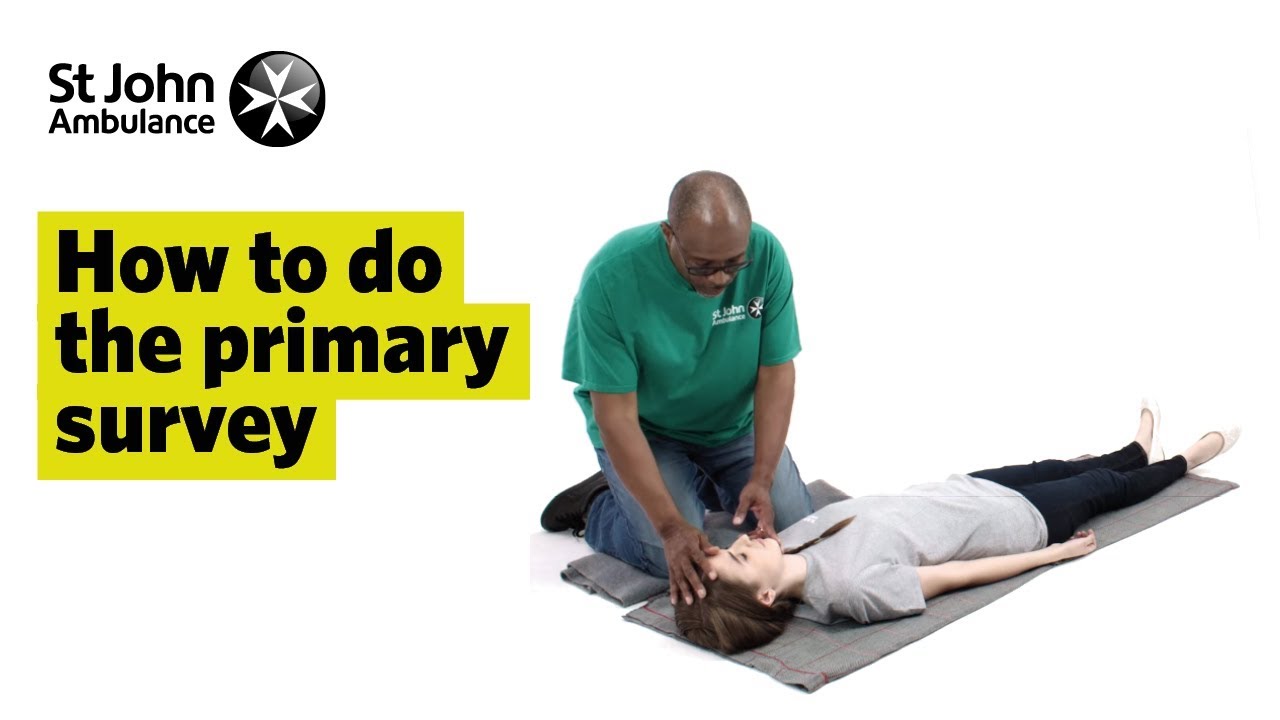
Emergencies will always be disturbing. No course can get rid of that. What a well created fast first aid training can do is shorten the void between anxiety and activity. For a child who is not breathing, that void is determined in seconds, not hours. For a hectic parent, spending a couple of hours currently can quietly improve every nervous "what if" that crosses your mind in the years to come.