Getting first aid training right for brand-new employees is among those peaceful decisions that only shows its value on the worst day of the year. When something fails on site, in a conference space, or in the parking lot, the minutes prior to specialist help shows up really feel long. What your individuals carry out in those mins depends on how you trained them.
Many organisations now search for fast first aid courses and express CPR training so that brand-new starters can be removed and on the flooring rapidly. That is practical, yet speed alone is not the entire tale. The actual objective is fast first aid training that is efficient, relevant, and actually bore in mind when the pressure is on.
I have actually sat in spaces with new hires from warehouses, call centres, law firms, and childcare centres, and the pattern coincides. When training is hurried, abstract, or also generic, individuals go out with a first aid certificate yet very little confidence. When training is concentrated, circumstance based, and well attended the onboarding procedure, they walk out prepared to assist a colleague in actual trouble.
This overview makes use of that experience and is created for HR leaders, security supervisors, and line supervisors who require to bring brand-new employees up to speed quickly without transforming first aid right into a tick-box exercise.
Why fast first aid training issues for brand-new hires
When someone is new to an office, whatever is strange. Leaves, tools, culture, even how to elevate an alarm, all require time to find out. That unpredictability is specifically why structuring first aid and CPR training early makes sense.
Three issues often tend to drive the conversation regarding a fast first aid course for brand-new employees.
First, lawful and sector demands. Several jurisdictions call for a minimal ratio of qualified initial aiders to team, or certain first aid and CPR courses for certain functions. Child care, protection, building, and manufacturing commonly sit in the most strict categories. If you work with in sets, each intake can temporarily press you out of conformity up until they are trained.
Second, real risk. New people make more errors. This is not a criticism, just truth. They are still learning secure work procedures and might ignore threats. Set that with strange surroundings throughout an emergency, and the risk of hesitation grows.
Third, understanding and society. Early investment in first aid training sends out a clear signal that safety is not a motto. New employs remember that invited them properly, that showed them the fire escape, who required time to discuss how to call protection or an ambulance. Adding a well run, fast first aid and CPR course during induction enhances that message.
The temptation is to squeeze a brief course into whatever spare hour shows up on the calendar. That usually backfires. Good express first aid training is not regarding cramming material, it has to do with prioritising the right abilities and practicing them in practical ways.
What "fast" should and should not mean
I hear "fast first aid courses" utilized to indicate three very different things.
Sometimes it implies high quality, meticulously structured material that concentrates on the skills probably to be made use of, taught successfully by experienced trainers. That is the excellent version.
Sometimes it implies a versatile layout, such as blended discovering, where theory is taken online at your own rate and the useful part is much shorter and focused. That can work well if handled properly.
And sometimes it suggests shallow training that cuts edges purely to strike a shorter duration on paper. That is where issues start.
For business choice makers, a fast first aid course near me should tick 3 boxes at the exact same time: compliant, reliable, and efficient. If you just chase speed, you risk turning first aid training right into a routine that does not stand on the day someone breaks down in the break room.
A few points fast ought to never suggest:
Fast needs to not mean skipping CPR practice. Any type of significant fast cpr course or first aid and CPR training classes need repeated hands-on time with manikins, responses on compression depth and rate, and adequate method that people are not worried to act.
Fast needs to not mean bypassing assessment. Whether it is a formal first aid certificate or inner sign-off, there needs to be a means to confirm that new team can carry out key activities under light pressure.

Fast should not mean "one size fits all". An express childcare first aid course for early childhood educators must feel and look different to express first aid training for white-collar worker or storehouse staff.
Fast should, nevertheless, encourage limited style. Strip out repetitive slides. Restriction jargon. Concentrate on the core emergency situations that match your work environment threat profile. Use short, brilliant circumstances instead of long first aid course in Logan academic lectures.
Core end results every new worker must reach
When I design or evaluate a fast first aid training program for brand-new staff members, I do not start by asking, "The length of time can we make it?" I begin with, "What do we require every new hire to be able to do, even under stress and anxiety?"
In most workplaces, the non-negotiables are:
Recognise when somebody is seriously weak or wounded. New employees should be able to identify red flags: somebody instantly perplexed, not breathing generally, unresponsive, greatly bleeding, or having a seizure. Several real events are delayed because onlookers really feel "it might not be that bad."
Call for aid properly. This appears basic, but in a big corporate atmosphere, calling for assistance is extra difficult than dialling a nationwide emergency number. They should recognize the interior emergency situation extension, protection radio procedures if appropriate, building or site address, and how to route paramedics to the best entryway. A fast first aid course should walk through these steps, not simply mention them.
Start CPR when suggested and use an AED confidently. The heart of lots of first aid and CPR courses is strong CPR training. New workers must leave able to begin chest compressions, provide rescue breaths if it becomes part of your method, and operate an AED without awaiting a "a lot more qualified" person.
Control life intimidating blood loss and position the casualty. From heavy bleeding as a result of equipment mishaps to falls in stairwells, bleeding control is just one of one of the most sensible parts of first aid training. So is understanding when to position somebody in the healing setting, when to maintain them flat, and when not to move them at all.
Protect themselves and others. First aiders are no aid if they come to be casualties. Even in a fast first aid course, construct in practices like scene assessment, use of handwear covers, and staying clear of dangerous lifts.
If your express first aid express first aid Gold Coast course can provide those outcomes continually, even in a tight timespan, you get on solid ground. Everything else, from bandaging minor cuts to managing nosebleeds, is a bonus.
Choosing the ideal format: face to face, combined, or totally express
The expression fast first aid training covers a great deal of different designs. For new employees, the best format depends upon numerous restrictions: headcount, shift patterns, danger degree, and budget.
Traditional complete day first aid courses, including CPR courses, still belong. They often tend to construct deeper self-confidence due to the fact that there is time for repetition and questions. However, for big corporate intakes, drawing everyone off the flooring for a complete day can clash with functional reality.
Here is where combined and express choices come in.
Blended first aid and CPR course formats divided the work. Concept is supplied through online modules that team full before a much shorter, intensive practical session. This moves long descriptions, layouts, and quizzes out of the class, freeing the trainer to focus on scenarios, hands-on CPR training, and assessment.
When combined shipment works well, you see higher involvement in the area. Individuals show up with basic ideas already covered. When it falls short, it is usually because personnel rush the on the internet components or skip them because of workload. That leaves the instructor forced to reteach concept, and the "fast" advantage disappears.
Fully express first aid courses are typically short, focused sessions of a few hours. Fast CPR correspondence course come under this group also. For brand-new staff members, express CPR courses or an express first aid course make good sense only if they belong to a bigger training path. For example, you may make use of a brief express cpr training block during induction, adhered to by an extra complete first aid course for picked team within 3 months.
One useful method many business clients take on appear like this. All brand-new hires go to a fast first aid and CPR understanding session throughout induction, around 2 to 3 hours. That session concentrates on acknowledging emergency situations, calling for aid, basic CPR, and AED usage. Separately, each team nominates designated initial aiders who after that go to full first aid and cpr courses bring about official first aid certification.
This version suggests everybody has enough to act, while a smaller group brings the much deeper ability required by law and best practice.
Special factors to consider for child care and high risk roles
Standard express first aid training is inadequate everywhere. Some roles bring special dangers and lawful setups that need certain content and longer contact hours.
In child care, as an example, express child care first aid courses require to cover choking in babies and children, febrile convulsions, anaphylaxis, bronchial asthma, and head injuries from falls. An express child care first aid training session that seems like a generic business first aid course with a couple of youngsters's pictures included is not adequate.
For child care suppliers, I generally advise:
Start with an express childcare first aid course throughout or right before induction, with heavy emphasis on choking, CPR for babies and kids, anaphylaxis management with car injectors, and allergic reactions. Include functional scenarios attracted from genuine occurrences, such as a kid found face down in a water tray or a kid with a well-known nut allergic reaction beginning to wheeze after treat time.
Follow with regular express child care first aid refresher sessions every year, also if certification cycles allow longer gaps. Skills like paediatric CPR drift rapidly if not practised.
High risk commercial environments need a similar strategy tailored to their threats. A warehouse or producing website gain from fast first aid courses that highlight crush injuries, amputations, chemical direct exposures, and back safety measures, not simply book circumstances. Practical sessions could be hung on the flooring near real equipment, so brand-new team can picture what a genuine incident would look and seem like.
In both childcare and hefty industry, generic fast cpr courses that disregard the specific context are normally a poor financial investment. The even more snugly you match express first aid courses to your threats, the more value you get from every training hour.
Making fast first aid component of the onboarding journey
One of one of the most common mistakes I see is treating first aid and CPR training as a different task from onboarding. Human resources deals with contracts and society, line supervisors take care of work jobs, and safety squeezes fast first aid training wherever there is a port left.
Results boost drastically when you intend first aid and CPR into the onboarding journey from the start.
During week one, go for direct exposure and alignment instead of mastery. A short express cpr course or fast first aid session early in the very first week helps brand-new hires feel ready, especially if they fidget about clinical emergency situations. Use this port to cover:
Where first aid sets, AEDs, and emergency exits are located in their actual area.
Who the assigned initial aiders and wardens are, and just how to call them.
The fundamental "identify, react, refer" pattern: identify an issue, take prompt first aid activity if safe, and pass the circumstance on professionals.
During the very first 2 to 3 months, timetable much deeper training. That may be a complete first aid and cpr course for chosen initial aiders, or a fast certification pathway for functions that call for official first aid certificates. The trick is to offer new employees time to work out into their duties prior to anticipating them to absorb thick content.
Use real events, anonymised where needed, from your own organisation as study throughout training. When people listen to "in 2014, a specialist collapsed in this really packing bay and this is what the first aider did", the training breaks right into focus.
Finally, link training results to clear expectations. If a person obtains a first aid certificate and is added to your lineup of initial aiders, guarantee their placement description and performance process show that obligation. Busy team are more probable to keep their abilities when it is formally identified as component of their role.
CPR: the skill that can not be rushed
When companies request for fast cpr courses, I constantly ask what "fast" suggests to them. If it implies much less talking and more practice, we are aligned. If it suggests compressing practice time into a few rushed mins, we are heading into trouble.
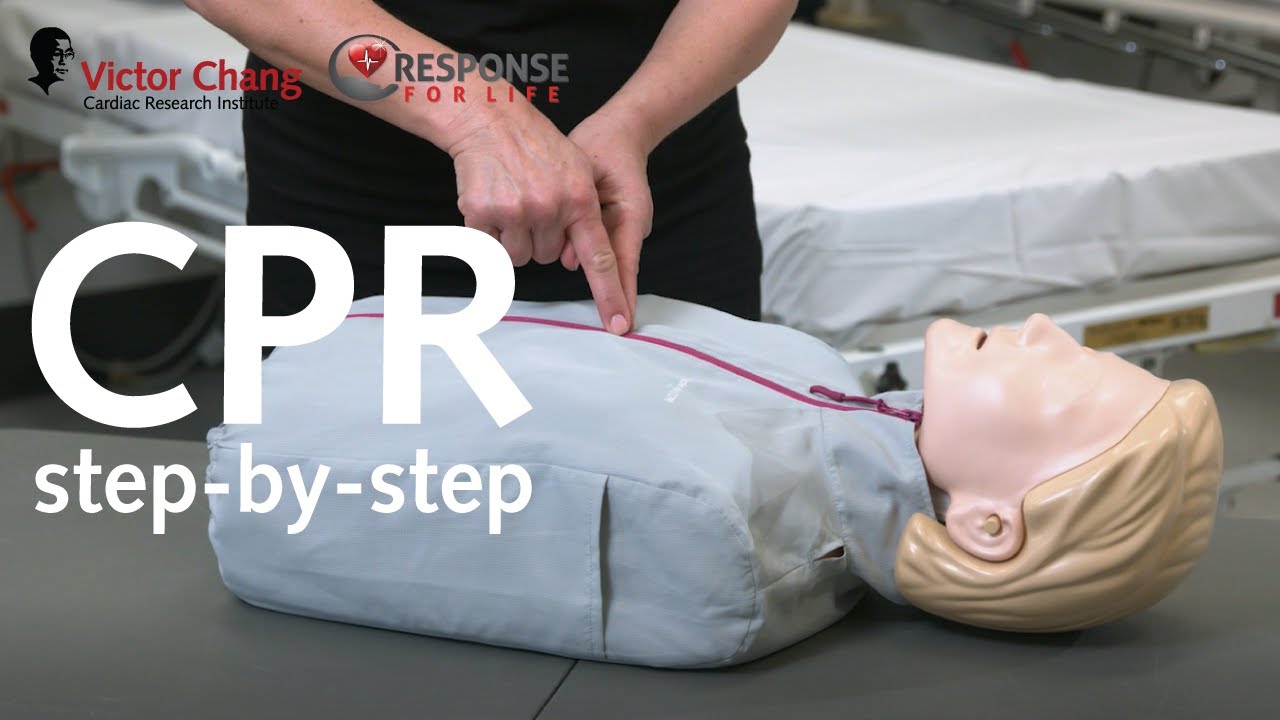
CPR is mechanical and exhausting. You can not find out the ideal depth, rhythm, and body mechanics by watching a video alone. Individuals need to feel what 100 to 120 compressions per min really feels like. They need to experience just how quickly they tire, and how difficult they have to press to get to the suggested depth.
Fast cpr correspondence course can maintain skills properly when improved a good first training base. As an example, a 1 to 2 hour express cpr training block that includes a brief concept recap, a lot of hands-on experiment comments devices, and numerous circumstance turnings functions well for team who trained appropriately within the last year.
For new team with no prior CPR training, be cautious concerning anything too short. A consolidated first aid and cpr course that permits at least a number of strong practice cycles each is a safer starting factor. Also in business settings where the danger of cardiac arrest appears far-off, cardiac emergency situations do occur, usually in older personnel, site visitors, or contractors.
One practical strategy is to make AED location and technique component of everyday society, not simply the formal course. As an example, I have actually seen offices where month-to-month safety and security instructions include a 5 minute turning: 2 volunteers practise opening up the AED, following its motivates, and using pads to a manikin. It maintains the tool familiar and removes the concern factor.
Working with training carriers: what to look for
Choosing a partner to provide fast first aid courses or express cpr courses is as crucial as choosing the format. Not all providers are equal, and the most inexpensive choice theoretically can set you back extra in restorative training, inadequate engagement, or non compliance headaches.
Here is an easy, sensible checklist you can make use of when reviewing first aid training companies for new workers:
Verify certification and scope
Validate the service provider is effectively approved or authorized in your territory to provide the kind of first aid certificate you need, including specialized options like fap first aid or childcare details certifications where relevant.Ask about corporate experience

Inspect example material and scenarios
Request a sample agenda for their fast first aid training or express first aid course. Check that CPR method time is adequate, scenarios match your industry, and that web content aligns with your internal emergency procedures.
Clarify versatility for blended options
If you are taking into consideration combined first aid and cpr courses, ask exactly how they track on the internet conclusion, what happens if personnel show up not really prepared, and exactly how they support individuals who are much less comfy with e learning.Consider message course support and data
Great companies use refresher suggestions, summary reports, and in some cases access to short adhere to up video clips. For huge organisations, being able to run reports by site, business system, and expiry day makes compliance far easier.Do not be reluctant to ask for recommendations from similar clients. A carrier who has actually effectively delivered express first aid courses for telephone call centre intakes of two hundred individuals, or express childcare first aid courses across multiple centres, will more than happy to link you with those clients.
Measuring whether your fast first aid program works
Putting brand-new employees through first aid and CPR training is just half the work. The various other half is examining whether it is working in real terms.
I usually consider three kinds of evidence.
First, objective procedures such as completion rates, number of current first aid certificates, and time from hire to initial training. If new staff members are waiting months for a fast first aid course because of organizing gaps, the onboarding process requires attention.
Second, qualitative feedback. Short, focused article course surveys assist below. Ask whether participants really feel more confident to start CPR, utilize an AED, or take care of a major hemorrhage. Additionally ask managers whether skilled new team actually progression in drills and small incidents.
Third, event information. In time, testimonial actual first aid occurrences. Who responded initially? Did they apply the training appropriately? Existed delays in recognising emergencies or calling for help? Did any individual on the scene really feel unprepared despite having actually participated in fast first aid training?
You will hardly ever get a best image, but patterns appear. Perhaps your express cpr courses are strong, yet personnel still wait to open the AED due to the fact that they hesitate of "making it even worse." Or your first aid courses cover allergic reactions, but team are unclear on where EpiPens are stored.
Use these findings to tweak both content and shipment. In some cases the response is not more training time yet smarter focus: adding a 10 minute AED familiarisation to every departmental meeting for a quarter, or including a short scenario concerning your most usual case key in every express first aid course.
Keeping abilities sharp: refreshers and mini training
First help skills discolor. That is not a judgment on your people, it is simply exactly how memory and muscle coordination work. After about 6 to 12 months without practice, CPR top quality goes down dramatically. There is a factor lots of regulatory bodies advise or require normal refresher training.
Fast cpr refresher courses and brief express first aid training sessions are suitable devices right here, particularly in big organisations where pulling staff off for full retraining every year is unrealistic.
A pragmatic routine for many corporates looks like this:
All brand-new team complete an induction degree fast first aid and cpr course, either express face to face or blended.
Designated very first aiders finish a much more detailed first aid course, making a multi year first aid certificate valid under neighborhood rules.
Every year, all initial aiders go to a fast cpr refresher course, ideally combined with a targeted first aid refresher focused on your top event types.
Between official courses, teams run quick "mini drills" in meetings: a 3 min discussion concerning how to call an ambulance from your structure, a quick walk to inspect the AED, a one concern test about indications of stroke.
These mini treatments cost practically absolutely nothing and can be led by internal champs. Security police officers, people supervisors, or enthusiastic first aiders can maintain the topic alive without transforming every meeting into a lecture.
When staff see first aid as a living skill set supported by the organisation, instead of a hoop to jump via every couple of years, they are even more likely to act emphatically when needed.
Final thoughts for company leaders
Fast first aid courses, express cpr training, and pressed onboarding routines are all part of modern business life. You can not ignore the stress to get people productive quickly. Yet you also can not outsource your obligation of care to the calendar.
The objective is not the shortest possible course. It is the fastest course that still creates people who acknowledge emergency situations, act swiftly, and utilize straightforward devices like CPR and AEDs successfully. That kind of fast first aid training needs mindful layout, the appropriate company, and combination with your broader security culture.
If you deal with first aid as component of just how your organisation thinks of threat, care, and expertise, brand-new staff members will certainly feel it from day one. And on the day when someone's heart stops in your entrance hall or a child chokes in your care, that investment quits being a line thing and comes to be the factor a person gets to go home.